Certification guide

A clear, engineer-friendly overview of the standards our Firesleeve has been tested to — and what those results mean in real-world, high-risk environments.

MSHA Accepted: IC-413/01 EN 45545 HL1–HL3 (R22/R23) Oxygen Index: 32.5% Smoke Ds(max): 95–96 Toxicity CITNLP: 0.03 Silicone UL94: V-0
Mining Flame resistance MSHA IC-413/01

Firesleeve tested to ASTP 5007 — Accepted by MSHA (Acceptance Marking No. MSHA IC-413/01)

Assesses flame propagation and self-extinguishing behaviour in underground mining airflow conditions.

What is ASTP 5007?

ASTP 5007 is the Mine Safety and Health Administration (MSHA) standard for flame resistance. It confirms suitability for hazardous underground mining environments.

What does ASTP 5007 evaluate?

It determines flame propagation properties of components used in the Firesleeve construction when exposed to an ignition source under controlled airflow.

  • How easily the Firesleeve catches fire
  • Whether the Firesleeve stops burning within 15 seconds once the test flame is removed
  • Whether it contributes to fire spread in restricted, high-risk mine environments
Pass requirement: total accumulated burning time for a group of six samples must not exceed 45 seconds.

What does “Accepted by MSHA” mean?

“Accepted” is the formal status granted by MSHA indicating the product has met technical requirements of 30 CFR Part 18 for accessories used in gassy mines and tunnels.

Products not accepted may pose a fire safety hazard.

How did our Firesleeve perform?

Tested to ASTP 5007, our Firesleeve met the criteria and was awarded MSHA “Accepted” status.

Does MSHA have a formal product list?

Yes — MSHA maintains a list of accepted flame-resistant equipment/products. Our Firesleeve was accepted in October 2024 (Acceptance No. IC-413/01).

Rail HL1–HL3 R22 / R23

Tested to EN 45545-2:2020 — European railway fire safety

Assesses flame spread, smoke density and toxicity for enclosed rail/tunnel environments.

What does “Tested to EN 45545-2:2020” mean?

EN 45545-2:2020 is widely regarded as the “gold standard” for fire safety in the European railway industry. It helps ensure materials won’t endanger passengers through fire, smoke or toxic fumes in trains and tunnels.

The three parts of EN 45545-2:2020

  • Flame spread — how fast the material burns (via EN ISO 4589-2)
  • Smoke density — how much smoke is produced (via ISO 5659-2)
  • Toxicity — whether emitted smoke contains lethal gases (via BS EN 17084:2018)

Why is EN 45545-2:2020 important?

It harmonises safety rules across Europe. An HL3 rating under R22 indicates suitability for use in virtually any railway application globally.

How did our Firesleeve perform?

Our Firesleeve complies with requirements R22 & R23 for HL1, HL2 and HL3. This supports use across a wide range of rail applications worldwide.

OI test Flammability Result: 32.5%

Tested to BS EN ISO 4589-2 — Oxygen Index (OI)

Quantifies how much oxygen is needed to sustain burning. Higher OI = better flame resistance.

What does “Tested to BS EN ISO 4589-2” mean?

It means our Firesleeve underwent an Oxygen Index (OI) test at ambient temperature to determine flammability. Materials with an OI below 21% burn easily in air. Values above 26% typically indicate self-extinguishing behaviour and high flame resistance.

How is the test conducted?

  • Small sample placed vertically inside a transparent test chimney
  • Precise nitrogen/oxygen mixture flows upward through the chimney
  • Top of the specimen is ignited and burn behaviour is measured at varying oxygen levels

Why is this important?

High-risk industries (rail, underground transport) often specify minimum Oxygen Index levels to ensure materials are self-extinguishing in standard air.

Interpretation of results

Oxygen Index (OI)General flammability rating
< 21%Highly flammable (burns easily in normal air)
21% – 26%Moderately flame retardant
> 26%Self-extinguishing / High flame resistance

How did our Firesleeve perform?

Our Firesleeve shows an Oxygen Index of 32.5% ± 0.54% — deemed a GOOD PASS and will not support combustion.

Smoke Ds(max) Result: 95–96

Tested to ISO 5659:2026 — Smoke density (single chamber)

Measures smoke build-up in an enclosed space. Lower Ds(max) = better visibility & evacuation.

What does “Tested to ISO 5659:2026” mean?

It means our Firesleeve has been evaluated for how much smoke it produces when exposed to heat/fire. Higher optical density indicates thicker smoke, reducing visibility and safe evacuation in emergencies.

How is the test conducted?

This is a single-chamber test where smoke is collected inside a sealed cabinet to simulate enclosed spaces such as railway carriages and tunnels.

  • Small flat sample placed horizontally in the chamber
  • Exposed to thermal radiation (25 kW/m²)
  • Modes include non-flaming (smouldering) and flaming (pilot flame)

Why is ISO 5659 important?

It’s critical for materials used in enclosed public transport systems where escape is difficult. In rail systems, ISO 5659 underpins smoke requirements within EN 45545-2.

How did our Firesleeve perform?

Our Firesleeve showed a Ds(max) value of 95 at 10 minutes and 96 at 20 minutes — deemed a GOOD PASS for HL1, HL2 and also HL3 zones.

Quick interpretation: ISO 5659 reports Ds(max) — lower values indicate less smoke and better performance.
Toxicity CITNLP Result: 0.03

Tested to BS EN 17084 — Smoke toxicity (rail focus)

Measures the chemical danger of smoke fumes. Designed for railway/underground environments.

What does “Tested to BS EN 17084” mean?

It means our Firesleeve has been evaluated for smoke toxicity — focusing on the chemical danger of fumes produced when materials burn (European railway industry).

Which toxic gases are considered?

  • Carbon Monoxide (CO), Carbon Dioxide (CO2)
  • Hydrogen Bromide (HBr), Hydrogen Chloride (HCl)
  • Hydrogen Cyanide (HCN), Hydrogen Fluoride (HF)
  • Nitrogen Oxides (NOx), Sulphur Dioxide (SO2)

How is the test conducted?

Over a 40-minute test duration, gases are measured using a combination of infra-red analysis, chemiluminescence, gas sampling bags, bubbling through aqueous media and ion chromatography.

Why is BS EN 17084 important?

In rail/underground fires, smoke inhalation causes more fatalities than flames. This test helps ensure materials won’t release a lethal mix of gases that prevents safe evacuation.

How did our Firesleeve perform?

The key output is CITNLP. For HL3 applications, the value must be very low (≤ 0.90). Our Firesleeve achieved CITNLP = 0.03 — a GOOD PASS for HL3 zones.

UL 94 IEC 60695 Rating: V-0

Flammability: UL 94 / IEC 60695-11-10 — Silicone rated V-0

Highest common vertical flammability rating: fast self-extinguish, no flaming drips.

What does a V-0 rating mean?

A V-0 rating under UL 94 / IEC 60695-11-10 signifies the silicone has passed the most stringent level of vertical flammability testing and demonstrates excellent self-extinguishing behaviour.

V-0 characteristics (high-level)

  • Self-extinguishing — stops burning within 10 seconds after each flame application
  • No flaming drips — does not ignite a cotton indicator placed below
  • Total burn time — across 5 specimens (10 flame applications), total flaming time ≤ 50 seconds
  • Afterglow restriction — glowing combustion does not persist > 30 seconds after removing flame
  • Flame containment — does not burn up to holding clamp

Why is V-0 important?

It is a widely recognised benchmark for industries where fire risk is high (public transport, mining, electronics, automotive, aerospace). Many standards and codes require V-0 materials to access specific markets.

Classification criteria (summary)

Condition V-0 V-1 V-2
Afterflame time for each specimen (T1 or T2) ≤ 10 s ≤ 30 s ≤ 30 s
Total afterflame time for 5 specimens (T1 + T2) ≤ 50 s ≤ 250 s ≤ 250 s
Afterflame + afterglow after second flame (T2 + T3) ≤ 30 s ≤ 60 s ≤ 60 s
Afterflame/afterglow up to holding clamp NO NO NO
Cotton indicator ignited by flaming particles/drops NO NO YES

How did our Firesleeve perform?

Our Firesleeve silicone has been rated V-0, confirming high flame-retardant and self-extinguishing characteristics where V-0 materials are required.

Figure 1: Test schematic and set-up for UL 94 / IEC 60695-11-10 (add your diagram image here if desired).
Pyrosleeve.co.uk • Industries

Certificates & standards — by industry

A quick scan of the key compliance marks and test standards that matter to engineers — grouped by real-world applications.
Mining equipment application

MSHA Firesleeve • Mining equipment

MSHA accepted IC-0413/0001 ASTP 5007 UL94 V-0 IEC 60695-11-10 ISO 9001 (UKAS) REACH RoHS POPs PFAS free Halogen free

Fire protection for hydraulic hoses, fuel lines and electrical harnesses in high-heat, high-abrasion mining environments — supporting MSHA fire-safety objectives.
Rail and underground transport application

Rail & underground transport

BS EN 45545-2:2020+A1:2023 BS EN ISO 4589-2:2017 ISO 5659 (smoke) NF X 70-100-1/2 UL94 V-0 IEC 60695-11-10 REACH RoHS POPs PFAS free Halogen free

Fire behaviour, smoke and gas toxicity standards for confined transport systems — protecting cables and hoses in tunnels, subways and rail stock.
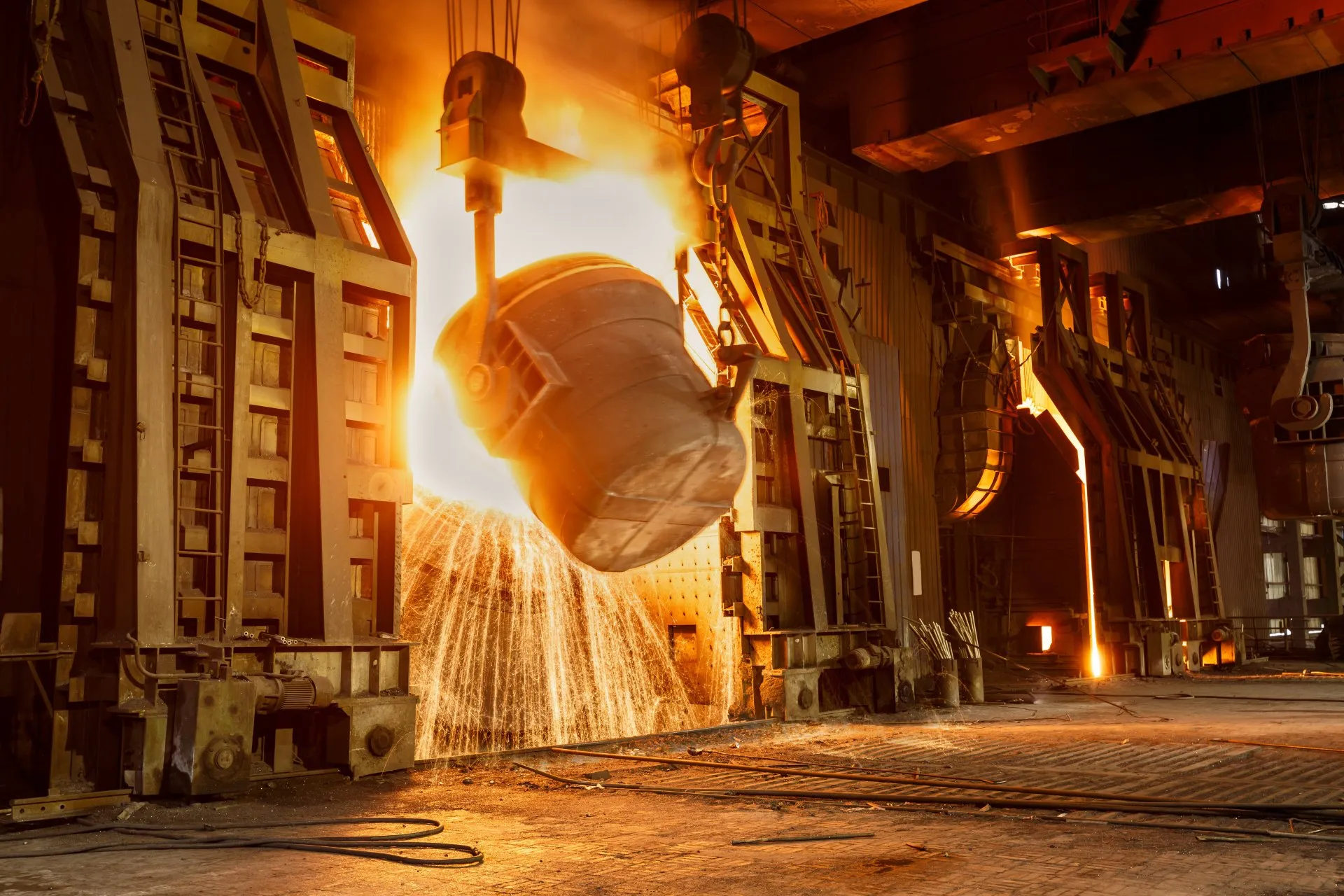
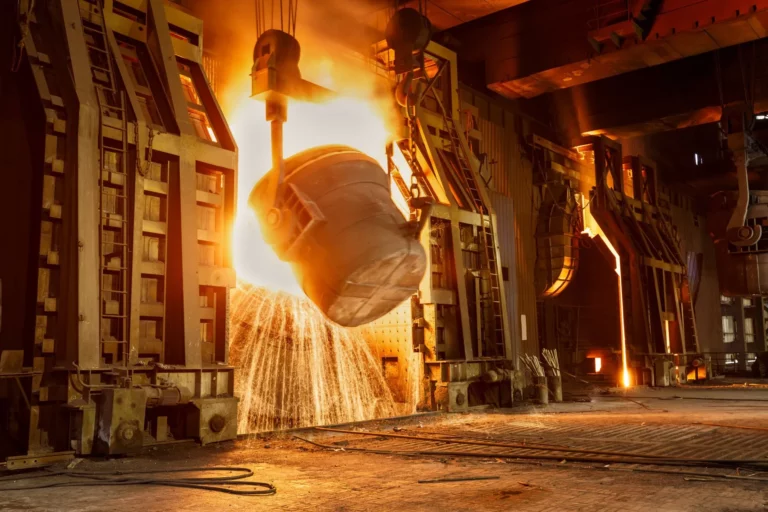
Steelworks and foundry application

Steel works & foundries

UL94 V-0 IEC 60695-11-10 REACH RoHS POPs PFAS free Halogen free ISO 9001 (UKAS)

Thermal, spark and abrasion protection for hoses and cables near furnaces, casting lines and hot work — designed for punishing heat and molten splash zones.

Marine engine room application

Marine • engine rooms

UL94 V-0 IEC 60695-11-10 REACH RoHS POPs PFAS free Halogen free ISO 9001 (UKAS)

Hose and cable fire protection in confined marine engine compartments where heat, vibration and abrasion drive failure risk.

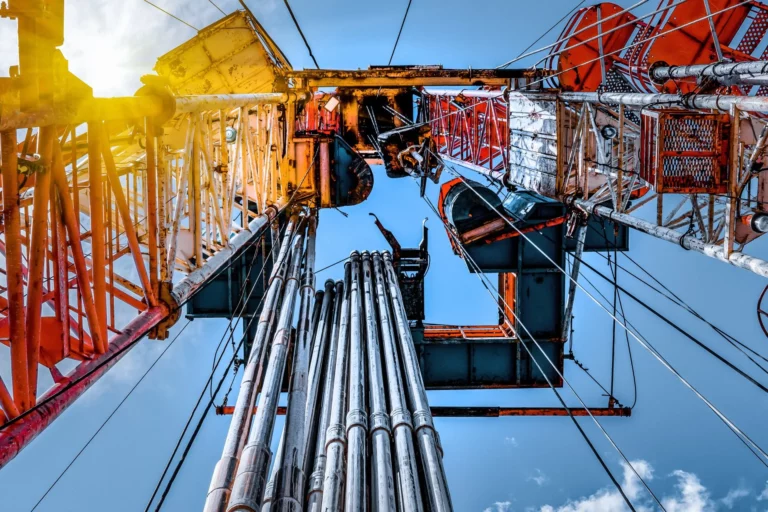
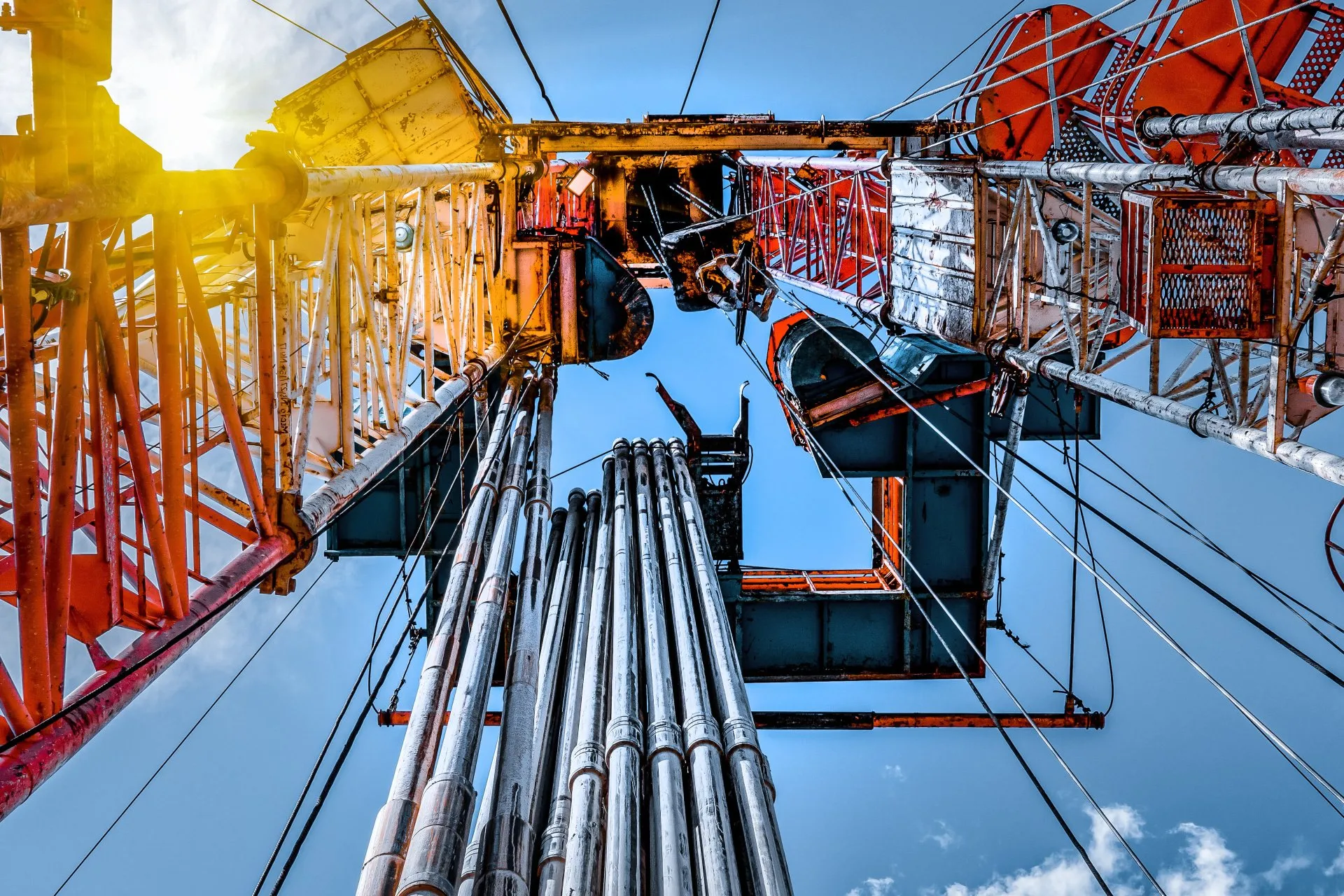
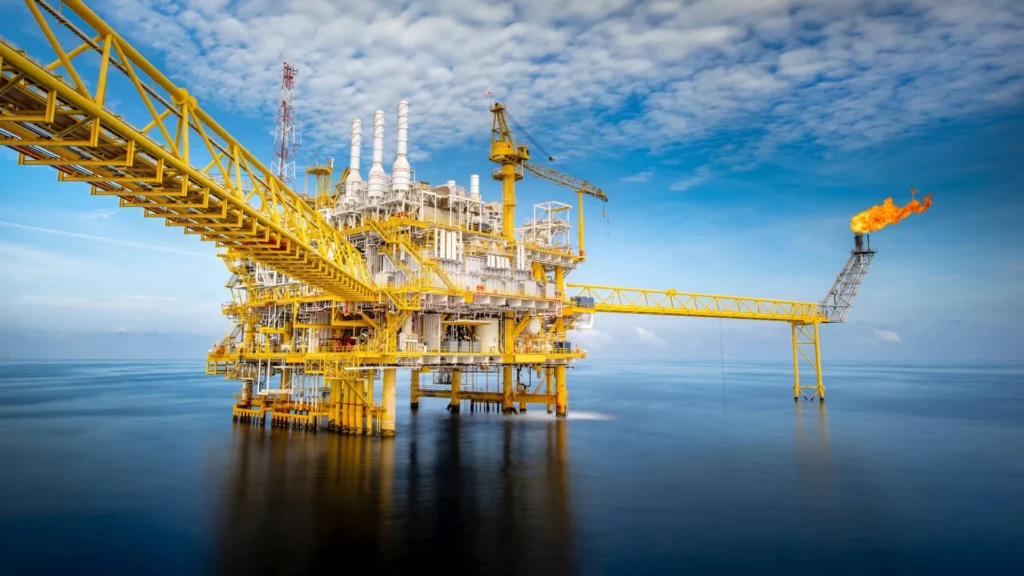
Offshore oil rig application

Offshore • oil & gas

UL94 V-0 IEC 60695-11-10 REACH RoHS POPs PFAS free Halogen free ISO 9001 (UKAS)

Fire-resistant sleeving for critical hoses and harnesses in high-risk offshore zones — engineered for vibration, abrasion and localised heat.

Wind turbine application

Wind turbines • suppression systems

UL94 V-0 IEC 60695-11-10 REACH RoHS POPs PFAS free Halogen free ISO 9001 (UKAS) IEC 61400 (ref) BS EN 50308 (ref)

Protecting discharge hoses, detection wiring and hydraulic lines in nacelles and towers — supporting wind turbine protective measures and system reliability.

EURO VI trucks and buses application

EURO VI HGV & buses • basalt sleeving

REACH RoHS POPs PFAS free Conflict minerals free ISO 9001 (UKAS)

High-temperature basalt sleeves engineered for 750°C operation — insulating exhaust paths and protecting hoses, looms and personnel near hot components.

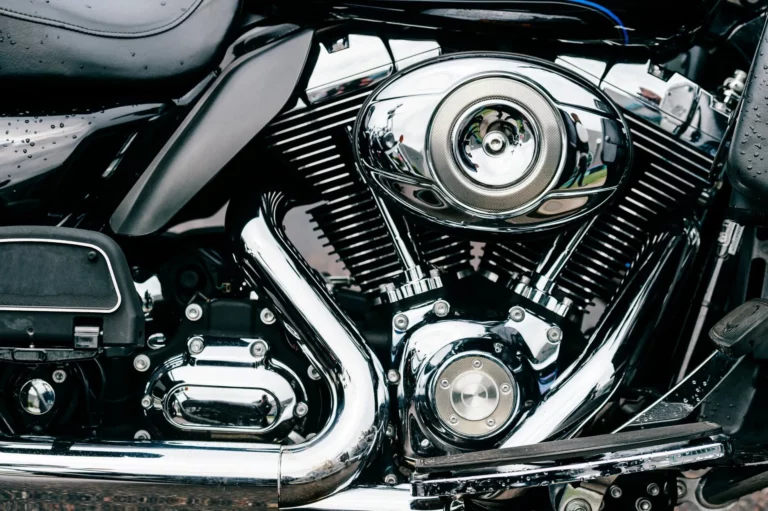
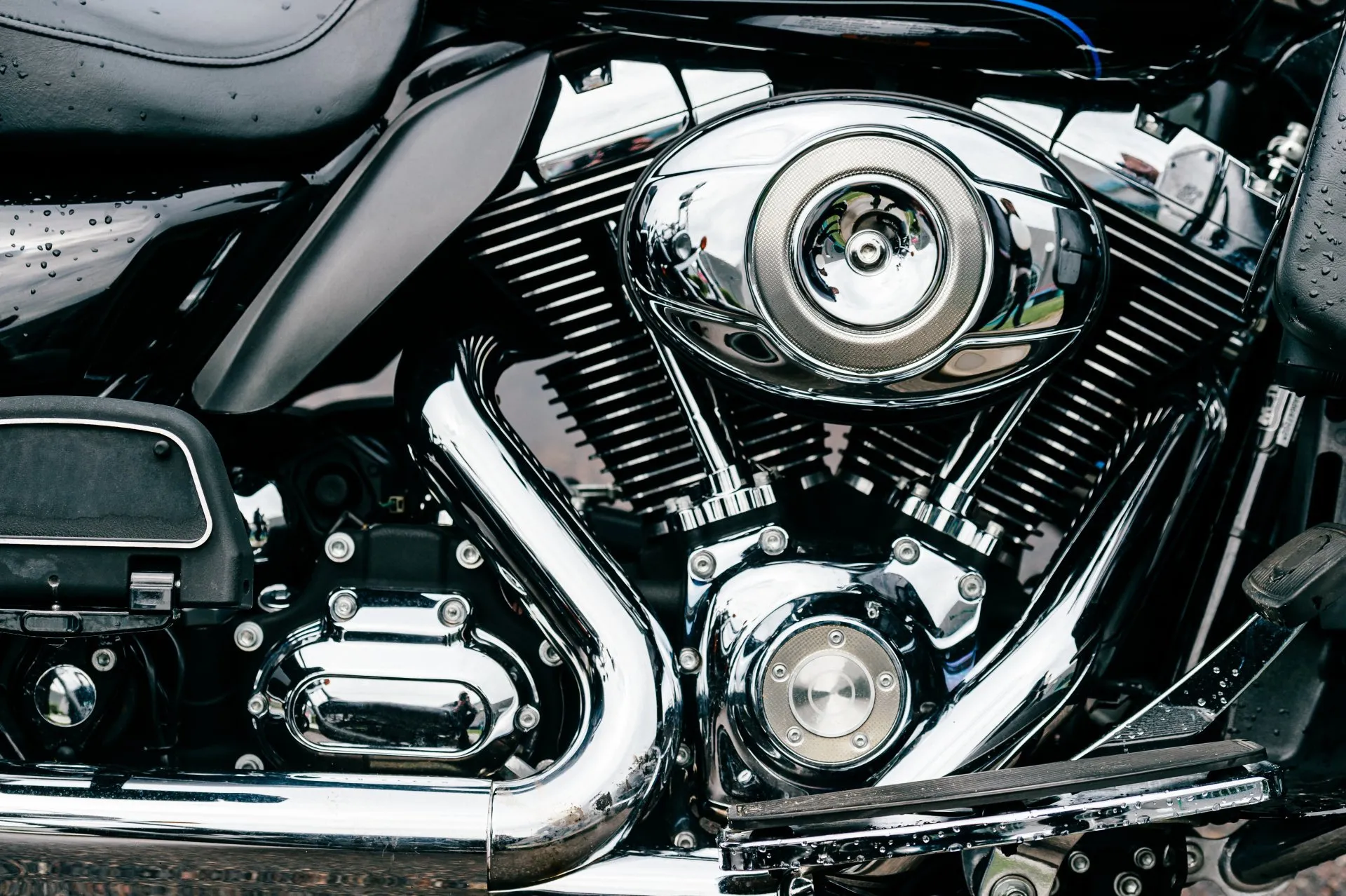
Motorbike exhaust application

Motorbikes • basalt wraps & sleeves

REACH RoHS POPs PFAS free ISO 9001 (UKAS)

Thermal insulation for exhausts and adjacent lines — reducing radiant heat transfer, protecting cables/hoses and improving rider safety.

Desktop: use arrows to slide. Mobile: swipe left/right. (Edit each card’s chips to match the exact certificates you want to show.)
Pyrosleeve - British Innovators & Manufacturers

Welcome to our Resources Area

Pyrosleeves, firesleeves and tapes also provide essential protection for personnel against burns from hot hoses and steam lines, to name just a few. If you are ready to take the next step and talk to us about how we could help you with your requirement, get in touch today for your bespoke quotation and proposal image

Check out our latest technologies

Contact us directly for further details