Partner with Pyrosleeve – Protecting What Matters Most When it...
Read MoreResource Centre
Firesleeve and high-temperature sleeving solutions to protect hydraulic hoses, fuel lines and electrical harnesses in high-risk environments — with compliance-led specifications and robust, tested performance.
MSHA Firesleeve for Mining Equipment
Protecting hydraulic hoses, fuel lines and electrical harnesses on mining equipment exposed to extreme heat, abrasion, sparks and fire hazards — supporting MSHA fire safety objectives for surface and underground environments.
The challenging mining environment
Mining is one of the most hazardous industries where fire prevention is a major safety concern. Equipment can become ignition sources if fuel lines, hydraulic hoses or electrical harnesses are damaged during operation.
- Localised high temperatures from engines and exhaust manifolds.
- Heavy abrasion and debris strike during drilling operations.
- Cutting, grinding and welding activity in operational zones.
Typical install points
- Fuel lines near engines and exhaust manifolds.
- Electrical wiring harnesses close to heat emitting equipment.
- Hoses and harnesses near cutting, grinding and welding operations.
- Hydraulic hoses on loaders, trucks, excavators and conveyors for debris strike protection.
- Surface and underground machinery requiring fire protection.
- Emergency route components such as emergency lighting.
How it supports MSHA safety objectives
Key risk-reduction outcomes
- Protects electrical harnesses and hydraulic hoses from ignition sources.
- Provides a protective fire barrier around flammable oils and fuels.
- Helps contain pressurised oils/fuels in the event of hose rupture.
- Reduces likelihood of heat and fire damage to equipment.
- Improves equipment and personnel safety in confined high-risk areas.
Firesleeve for Rail & Underground Transport
Supporting BS EN 45545-2 fire-safety requirements for railway vehicle components by protecting cables, fuel lines and hydraulic hoses in confined rail and tunnel environments where fire can spread rapidly.
Fire risk in confined rail spaces
- Electrical cables exposed to abrasion from vibration and heat.
- Hydraulic and fuel lines routed near engines and braking systems.
- Reduced ventilation in tunnels and subway routes.
- Sparks from braking, grinding and maintenance operations.
Typical applications
- Rolling stock and engine compartments.
- Subway / metro infrastructure.
- Braking hydraulic and pneumatic lines.
- Electrical harnesses near heat emitting equipment.
- Emergency route systems such as lighting and suppression.
Benefits in rail & undergroundWhy it gets specified
- Reduces fire risk and likelihood of rapid fire spread in confined spaces.
- Helps contain pressurised oils and fuels if a line ruptures.
- Improves reliability by shielding cables and hoses from heat damage.
- Supports European rail fire safety requirements for components.
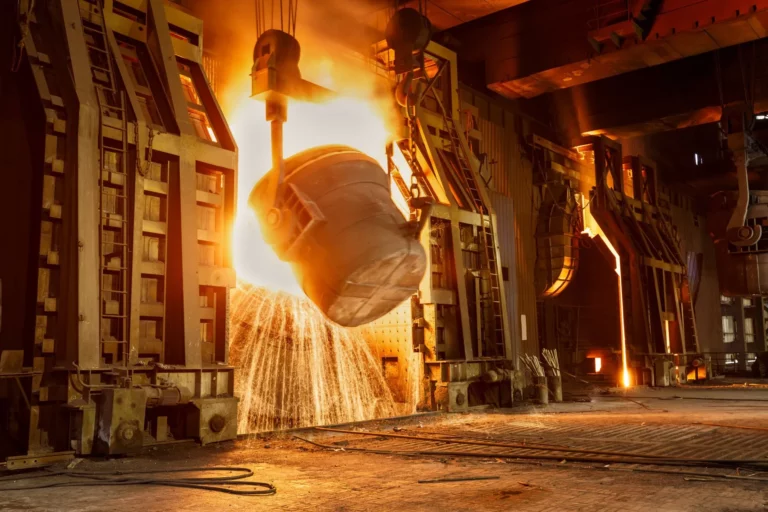
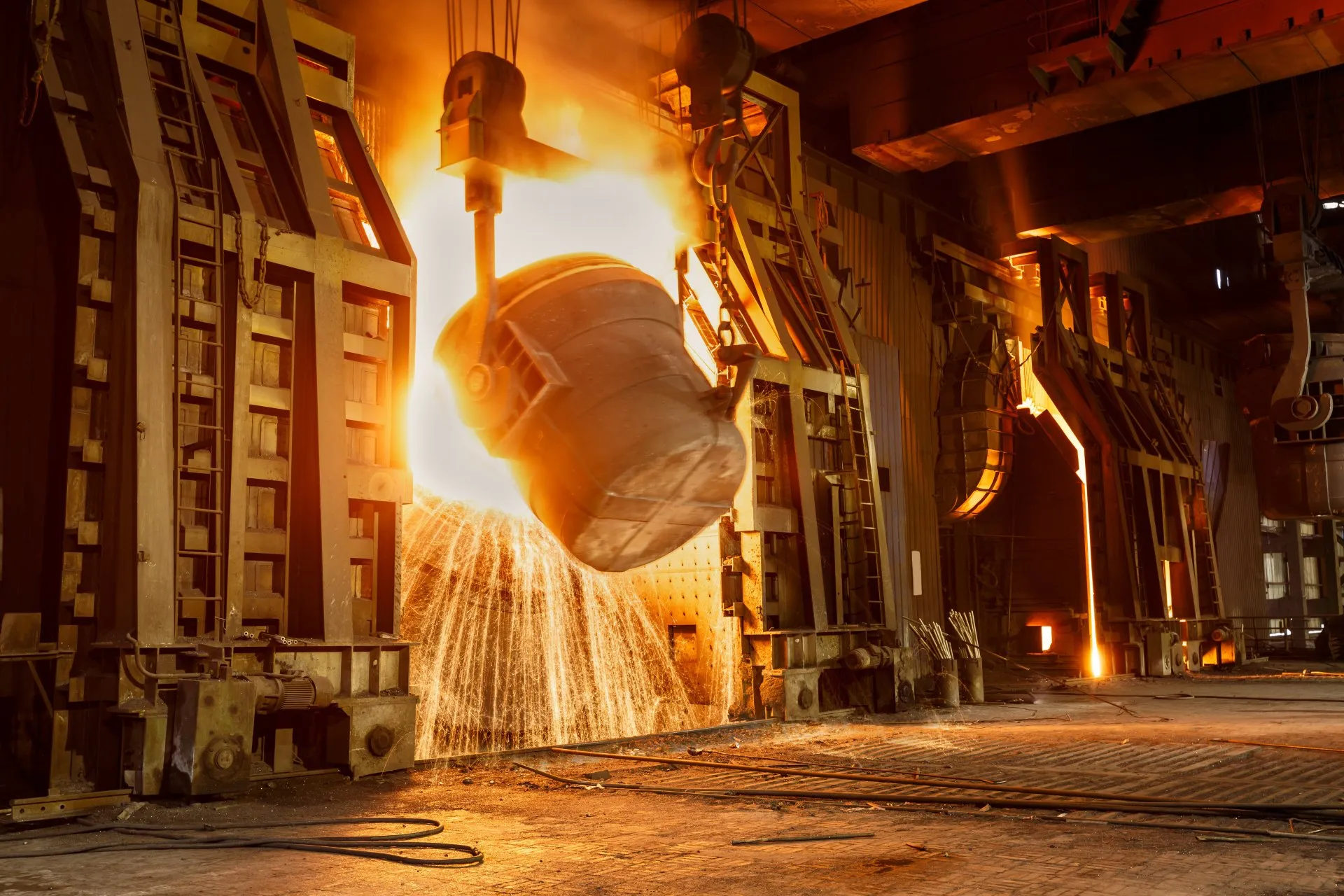
Firesleeve for Steel Works & Foundries
Protecting hydraulic hoses and electrical harnesses from extreme heat, sparks, molten splash, slag and abrasion — improving safety and reducing downtime.
Arduous conditions
- High continuous operating temperatures and localised hot furnace surfaces.
- Sparks from cutting, grinding and welding.
- Abrasion from slag, scale and metal debris.
- Risk of molten metal splashes in production zones.
Where it’s used
- Electric arc and blast furnaces, continuous casting machinery.
- Molten metal ladling, pouring equipment, rolling mills and forming lines.
- Mobile equipment hoses, wiring harnesses near hot surfaces.
- Lines near hot work and components in the vicinity of molten metal.
Why it performs in foundriesProtective barrier behaviour
Rated V-0 for flammability (UL94 / IEC 60695-11-10). When exposed to flame, the high-grade silicone rubber forms a protective SiO₂ layer and does not support combustion.
Firesleeve for Wind Turbine Fire Suppression Systems
Protecting discharge hoses and electrical cables inside nacelles and towers — improving fire safety and reliability of critical suppression systems.
Why nacelles are high risk
Wind turbines contain elevated, confined compartments where suppression system integrity is critical. If discharge hoses or detection wiring are compromised, protection may fail.
- Fire suppression discharge hoses and detection wiring harnesses.
- Hydraulic and lubrication lines adjacent to heat sources.
- Components exposed to friction, vibration and long-term heat.
What it helps achieve
- Protects critical suppression systems and reduces fire spread risk.
- Improves system reliability by preventing heat/abrasion damage.
- Extends life of components subjected to permanent vibration.
Firesleeve for Marine Engine Rooms
Protecting electrical cables, fuel lines and hydraulic hoses in confined engine rooms where heat, vibration and abrasion increase the risk of ignition and rapid fire spread.
Common ignition risks
- Ruptured fuel lines due to abrasion or continuous heat exposure.
- Electrical wiring looms exposed to heat and vibration.
- Hydraulic hoses operating under constant pressure in high temperatures.
- Heat build-up due to limited ventilation.
Where it’s used
- Passenger ferries and cruise liners.
- Commercial vessels and cargo ships.
- Naval/defence vessels, rescue vessels and lifeboats.
- Fishing trawlers and maintenance zones.
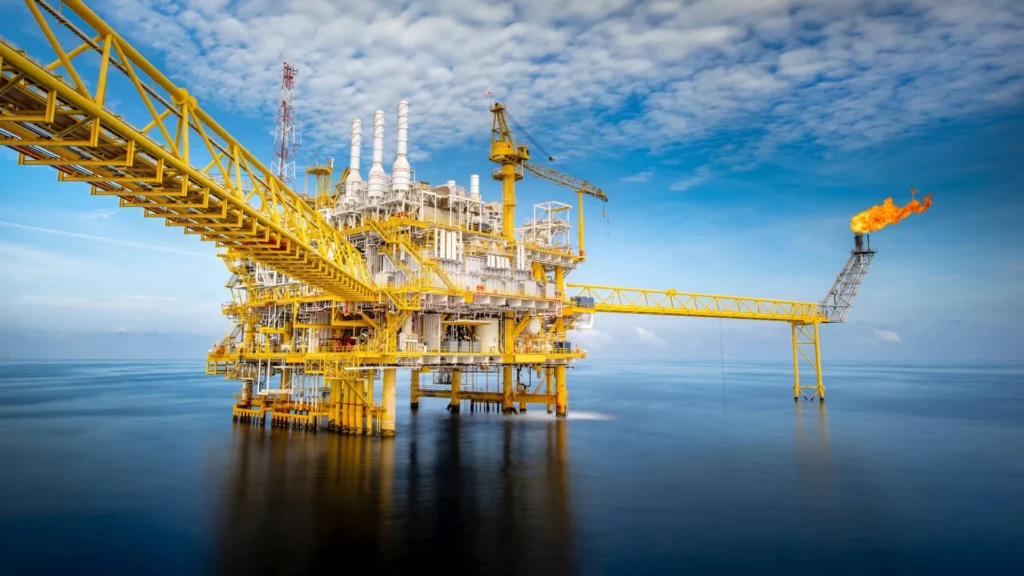
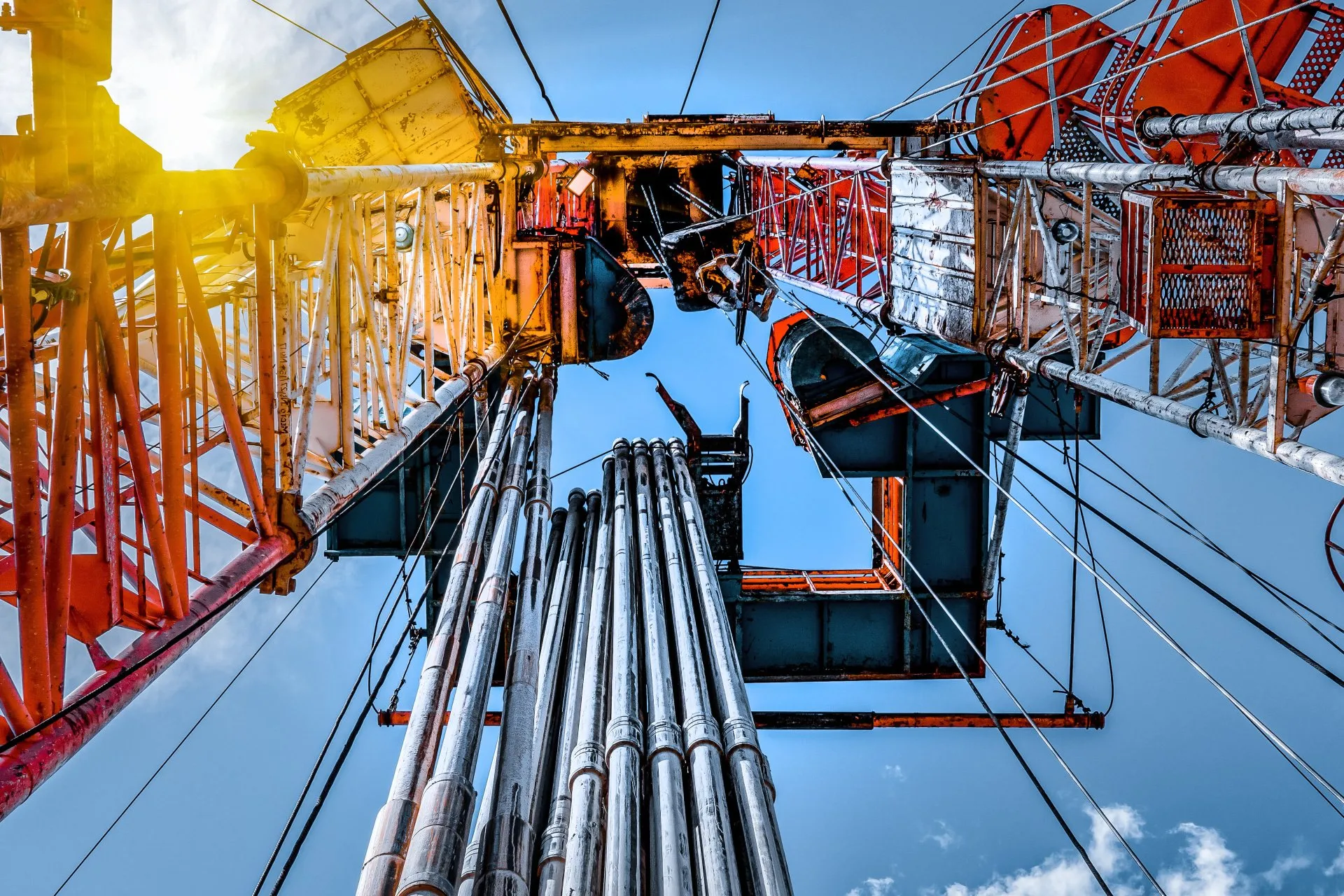
Firesleeve for Offshore Oil Rigs & Drilling
Protecting hydraulic hoses, electrical harnesses and fuel lines in high-risk offshore zones where vibration, abrasion and localised heat can trigger rapid escalation.
Offshore hazards
- High-pressure hydraulic hoses adjacent to hot equipment.
- Localised high temperatures from engines and exhaust manifolds.
- Cutting, grinding and welding in operational zones.
- Electrical cables exposed to continuous high heat sources.
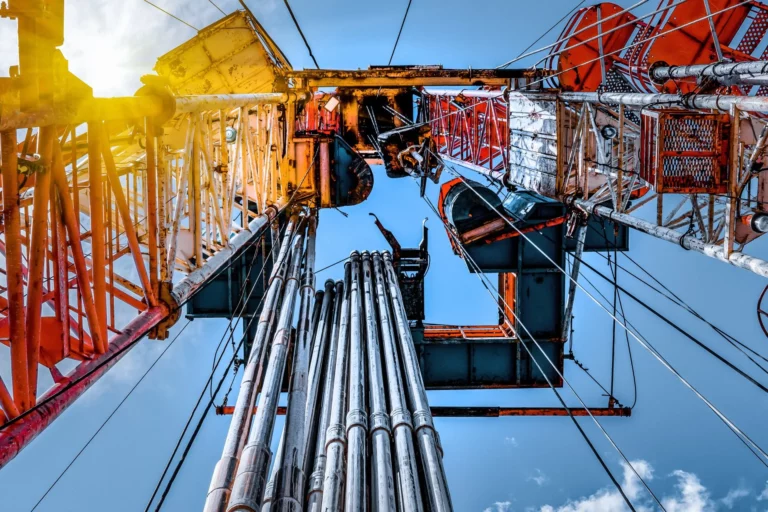
Typical install points
- Hoses on drilling rigs, derrick equipment and control systems.
- Fuel lines in engine rooms near heat sources.
- Power distribution and control cabling close to hot zones.
- Critical emergency evacuation route systems.
High Temperature Sleeving for EURO VI HGV Trucks & Buses
Thick-walled basalt sleeving designed to operate at 750°C — insulating exhaust systems, protecting sensitive components and improving safety around hot exhaust paths.
Why EURO VI needs insulation
Higher operating temperatures support aftertreatment systems (DPF, SCR/AdBlue and EGR), but increase heat load in tight engine bays where hoses and cables may be routed close to exhaust paths.
- Exhaust manifolds between the engine and catalytic converter.
- Fuel and AdBlue lines near DPF and SCR units.
- Hydraulic/pneumatic hoses and air brake lines near hot components.
Key benefits
- 750°C operation for harsh thermal environments.
- Protects wiring looms/hoses from radiant heat damage.
- Reduces downtime by preventing heat-related failures.
- Conformable thick-wall design for confined chassis spaces.
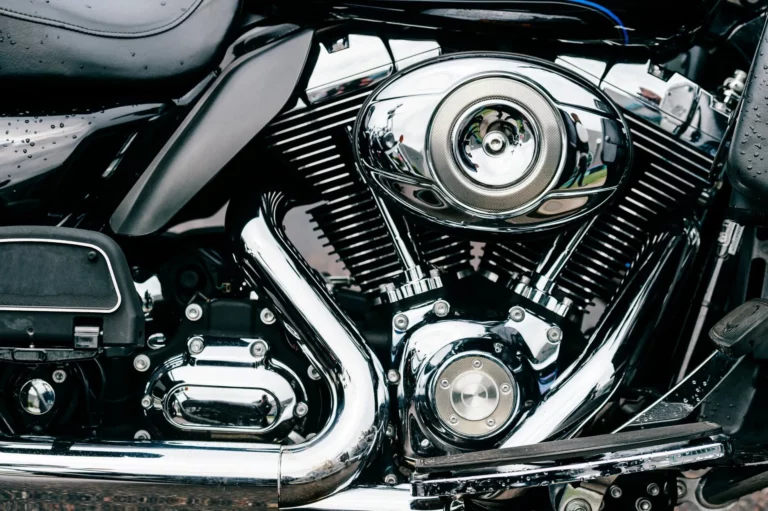
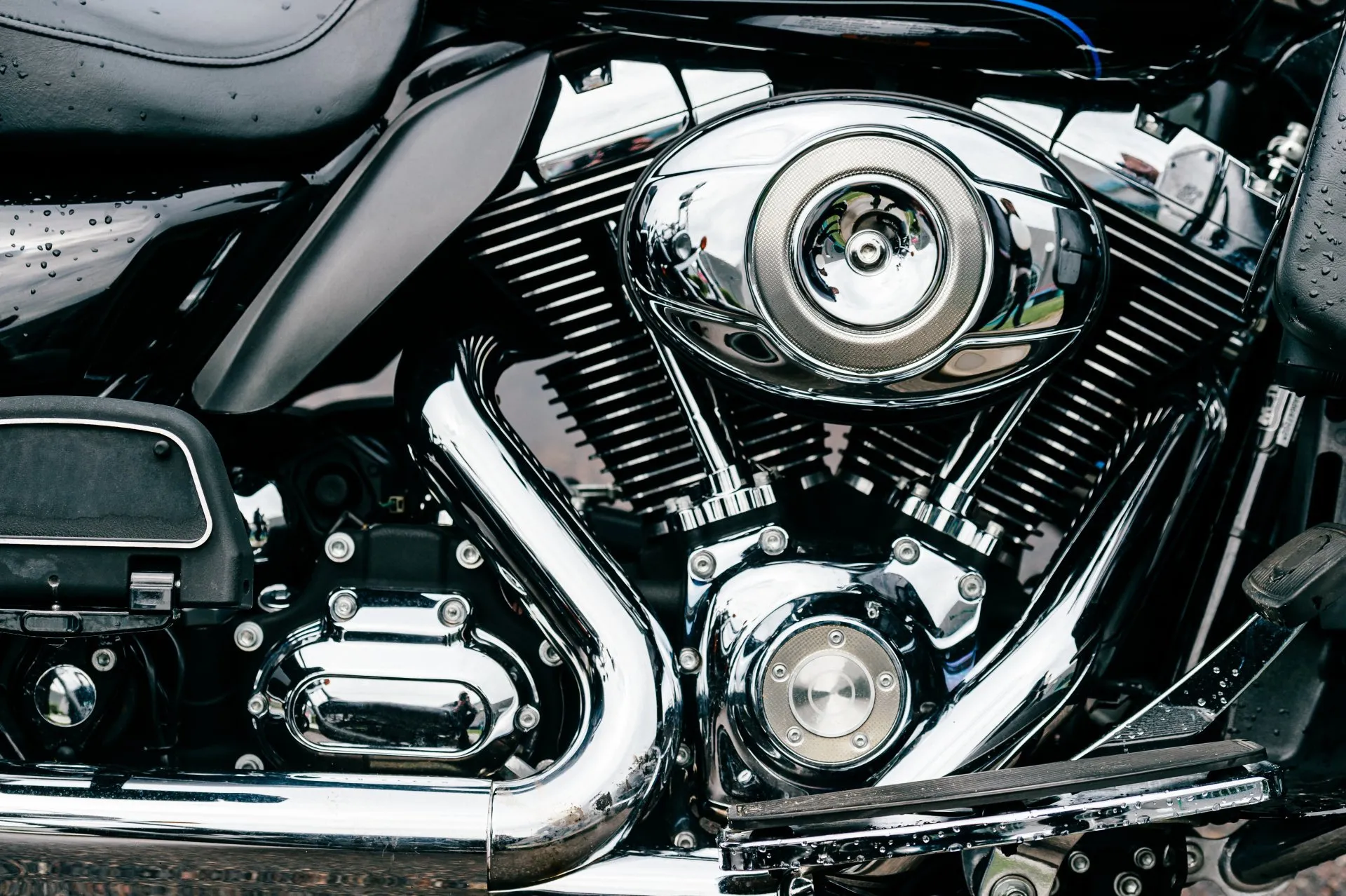
High Temperature Wraps & Sleeving for Motorbikes
Basalt wraps and sleeves insulate exhaust systems, protect nearby cables and hoses from heat damage, improve rider safety and can support exhaust gas temperature control.
Where it’s used
- Exhaust header and downpipes.
- Wiring harnesses near the engine block.
- Front and rear brake lines.
Benefits
- Reduces radiant heat transfer from hot exhaust pipes.
- Protects cables/hoses from thermal degradation.
- Shields painted fairings and bodywork from heat damage.
- Protects riders from hot surfaces.
Certificates & standards — by industry
A quick scan of the key compliance marks and test standards that matter to engineers — grouped by real-world applications.
MSHA Firesleeve • Mining equipment
Fire protection for hydraulic hoses, fuel lines and electrical harnesses in high-heat, high-abrasion mining environments — supporting MSHA fire-safety objectives.
Rail & underground transport
Fire behaviour, smoke and gas toxicity standards for confined transport systems — protecting cables and hoses in tunnels, subways and rail stock.
Steel works & foundries
Thermal, spark and abrasion protection for hoses and cables near furnaces, casting lines and hot work — designed for punishing heat and molten splash zones.
Marine • engine rooms
Hose and cable fire protection in confined marine engine compartments where heat, vibration and abrasion drive failure risk.
Offshore • oil & gas
Fire-resistant sleeving for critical hoses and harnesses in high-risk offshore zones — engineered for vibration, abrasion and localised heat.
Wind turbines • suppression systems
Protecting discharge hoses, detection wiring and hydraulic lines in nacelles and towers — supporting wind turbine protective measures and system reliability.
EURO VI HGV & buses • basalt sleeving
High-temperature basalt sleeves engineered for 750°C operation — insulating exhaust paths and protecting hoses, looms and personnel near hot components.
Motorbikes • basalt wraps & sleeves
Thermal insulation for exhausts and adjacent lines — reducing radiant heat transfer, protecting cables/hoses and improving rider safety.
Pyrosleeve - British Innovators & Manufacturers
Welcome to our Resources Area